Published by Dating Online
Open from something they already shared
I enjoy fun and good company.
Your profile says you photograph birds on Saturday mornings. Do you usually look for them near water or in wooded areas?
Hey, you seem interesting. What do you do for work, where did you grow up, and what are you looking for here?
You mentioned restoring old furniture, which sounds both patient and creative. Tell me about the piece you most enjoyed bringing back to life.
You do not have much written here, but hi.
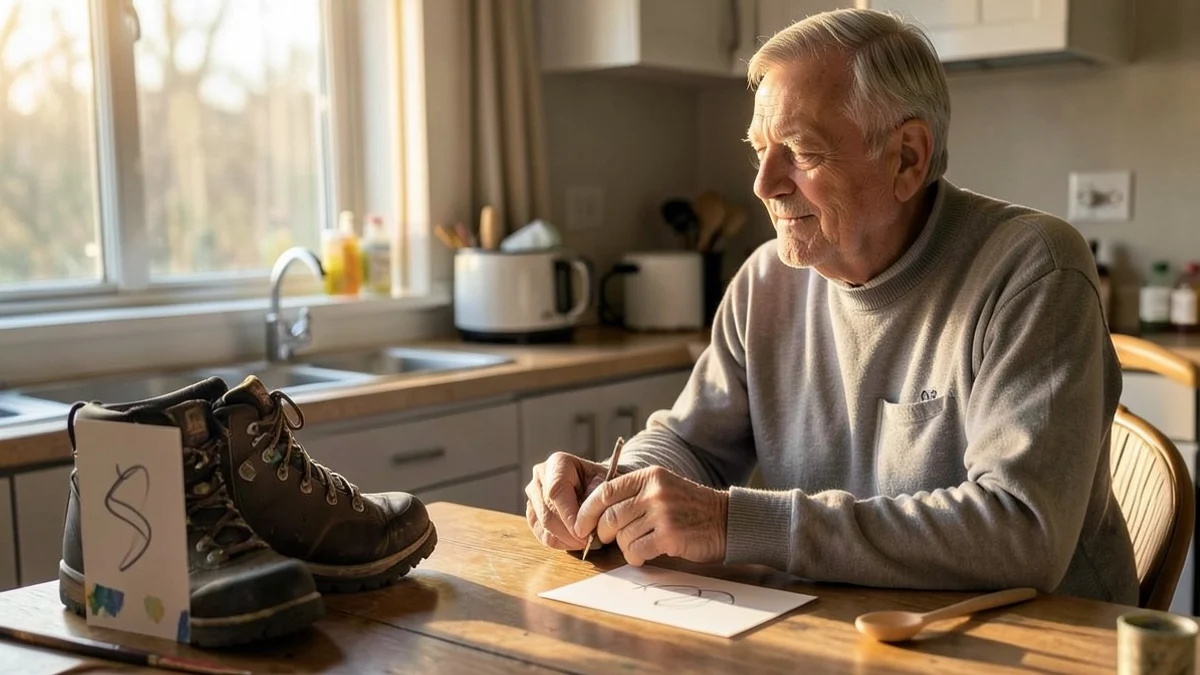
Your photo with the sketchbook caught my attention. Are you usually drawing people, places, or whatever happens to be in front of you?
You restore furniture? That is so cool. I love people who are passionate. Tell me about a piece you have enjoyed working on.
Your furniture-restoration projects look wonderfully hands-on. What usually decides whether you keep the original finish or strip it back? Reply: Usually the condition of the wood. I like keeping the original finish when I can. Follow-up: That makes sense—the wood itself becomes part of the history. Have you ever found a piece that looked beyond saving but turned out well? If there is no reply to the follow-up: Leave the thread there rather than sending another prompt.
I feel like we would get along so well. I already want to know everything about you.
You seem to enjoy projects where the results take time. I like that kind of work too, although my projects usually end with a crooked shelf. What part of restoring furniture do you find most satisfying?
Message: Your bakery photos look amazing! What is your favorite pastry, what neighborhood is the bakery in, how often do you go, and do you bake too? Reply: Croissants.
Message: You mentioned trying a different bakery each weekend. Do you usually choose a place for the bread, the pastries, or the coffee? Reply: Croissants. Follow-up: A good croissant is a strong reason to return. What makes one stand out to you—the crisp layers or the buttery center?
That answer is short. Are you actually interested in talking?
Message: Your profile says you like independent bakeries. Is there a pastry you will always order when you see it? Reply: Cinnamon rolls. Follow-up: Good choice. Do you prefer them heavily spiced or more buttery and simple?
You are gorgeous and seem amazing. I cannot believe I found you. Tell me everything about yourself.
You said you collect recipes from places you visit. The handwritten ones are a great detail in your photo. Is there one recipe you make often because it brings back a particular trip?
Music, movies, books, travel, work, and goals all offer possible starting points, but listing them all at once makes the message feel like an interview.
You mentioned listening to live jazz while you cook. Does the music change what you make, or is it mainly part of the atmosphere?
I think we could be something special. I have a really good feeling about us.
Your answer about learning woodworking made me smile. I have never tried it, but I understand the appeal of making something useful by hand. What was the first thing you built?
Message: I saw you like hiking. What draws you to the mountains? Reply: Mountains.
Message: Your hiking photo has a great wide-open view. Do you prefer a steep climb or a longer trail with gentler stretches? Reply: Mountains. Follow-up: I can see the appeal of the views. I will leave the trail recommendations to you—what makes a hike worth repeating? If there is still no response: No additional message.
Message: You like hiking? Nice. Reply: Yeah. Follow-up: I am not getting much to build on here, so I will leave the conversation there.
Message: You mentioned hiking before sunrise. Is the quiet worth getting up early for, or is the sunrise itself the main reward? Reply: Yeah, mostly the quiet. Follow-up: That makes sense. Quiet trails can feel like a reset. What do you usually notice first when the trail is still empty?
Read the reply before choosing your next move
An engaged reply usually adds something: a detail, an opinion, a story, or a question back. Match that effort without trying to outperform it. If someone writes, “I started restoring furniture because my grandfather taught me,” a useful response might be, “That gives the hobby a different kind of meaning. Did he teach you a particular technique?” The message stays with the subject and asks one answerable question.
A brief reply can still be reciprocal when it answers what you asked. “Croissants” or “Mountains” is limited, but it gives you a thread to extend once. Keep the next message short and related rather than treating brevity as a problem you must solve.
An absent reply gives you no thread to extend. After an unanswered opener, do not send a string of new questions, compliments, or explanations. One message can open a conversation; continued effort without a response cannot create mutual interest.
Know when the conversation has ended
If a match repeatedly answers with minimal replies, never asks anything back, or stops responding after you have extended the subject once, let the exchange end. You do not need to announce that they failed a test, and you do not need to produce a more impressive message.
For example: “Your profile mentioned volunteering at an animal shelter. What do you enjoy most about it?” Reply: “It is fine.” Follow-up: “I hope you have a good week.” If there is no response, stop there. That final message is an exit, not an invitation to keep double-texting.
Adapt the wording to the detail actually available. Notice one specific thing, add one genuine sentence, and ask one question. If the reply is engaged, follow its new detail; if it is brief but responsive, extend that thread once; if it is absent or consistently minimal, leave room and move on.