
Published by Dating Online
Choose a format with an easy endpoint
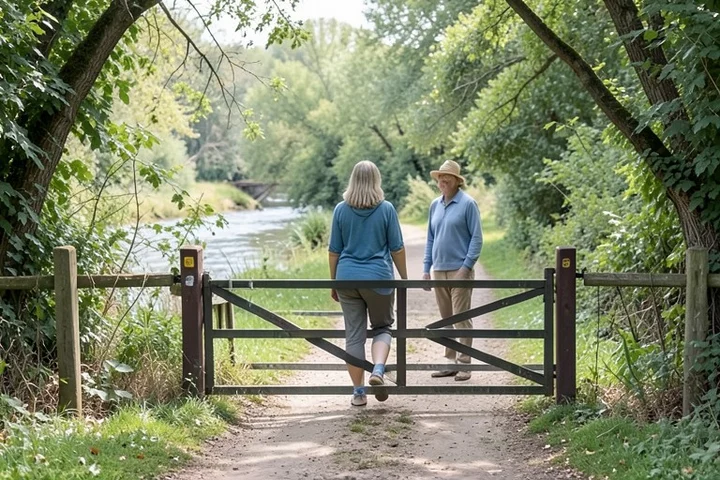
- A coffee, casual drink, walk in a public place, or quick daytime meal gives the meeting a natural stopping point.
- A planned 45 to 90 minutes leaves enough time for real conversation without turning an uncertain connection into a long commitment.
- Long dinners, complicated activities, and full-day plans add time and social pressure before either person knows how the interaction feels.
Confirm the plan without overplanning it
A brief message should settle the day, start time, meeting point, and approximate duration. For example: “Saturday at 2 p.m. at the café works for me. I have about an hour, and I’m looking forward to meeting you.”
Clear timing prevents one person from assuming an open-ended afternoon while the other expects a quick meeting. A simple plan also leaves room for the date to continue if both people want that.
Afterward, a follow-up message is useful when interest is present or still undecided. It does not need to arrive immediately; a short message later that day or the next day can acknowledge the meeting and state what happens next.
Let the profile supply the first conversation threads
A profile detail provides a more natural opening than a sequence of standard questions. Mention the interest, place, activity, or opinion that caught your attention, then share a related detail from your own life.
“You mentioned restoring an old house. What part of that project has taken the most patience?” creates room for a story and a follow-up. The conversation can then move to related topics such as hobbies, routines, travel, work, or what each person enjoys outside the app.
Follow the thread that has energy instead of trying to cover every fact in the profile. A few genuine exchanges reveal more about conversational ease than a checklist of questions.
Chemistry is information, not a performance score
First-date nerves can produce pauses, awkward wording, or less expressiveness than someone showed in messages. One quiet moment does not settle whether the connection has potential.
Chemistry includes attraction, comfort, curiosity, humor, and the ease of taking turns in conversation. Instant intensity is not the only useful outcome; calm interest can also justify another short meeting.
Uncertainty sounds like “I enjoyed meeting them, but I need more time to tell.” Disinterest usually feels more settled or comes with a clear mismatch in attraction, conversation, or expectations. Either response is valid, and neither requires a dramatic explanation.
End clearly and decide what to say afterward
When the planned time is over, a direct close keeps the ending comfortable: “I’ve enjoyed talking with you, and I need to head out now.” If the date is going well, both people can separately agree to continue.
Interest in a second date merits a specific message: “I enjoyed meeting you. I’d like to see you again next week.” Naming a general time or activity makes the intention clear without demanding an immediate decision.
Uncertainty calls for a brief, honest pause: “Thanks for meeting me. I enjoyed getting to know you, and I’d like a little time to think about whether another date feels right.”
A kind decline should be clear and final: “Thank you for meeting me. I didn’t feel the connection I’m looking for, so I won’t plan another date. I wish you well.” Vague promises create more confusion when interest is absent.